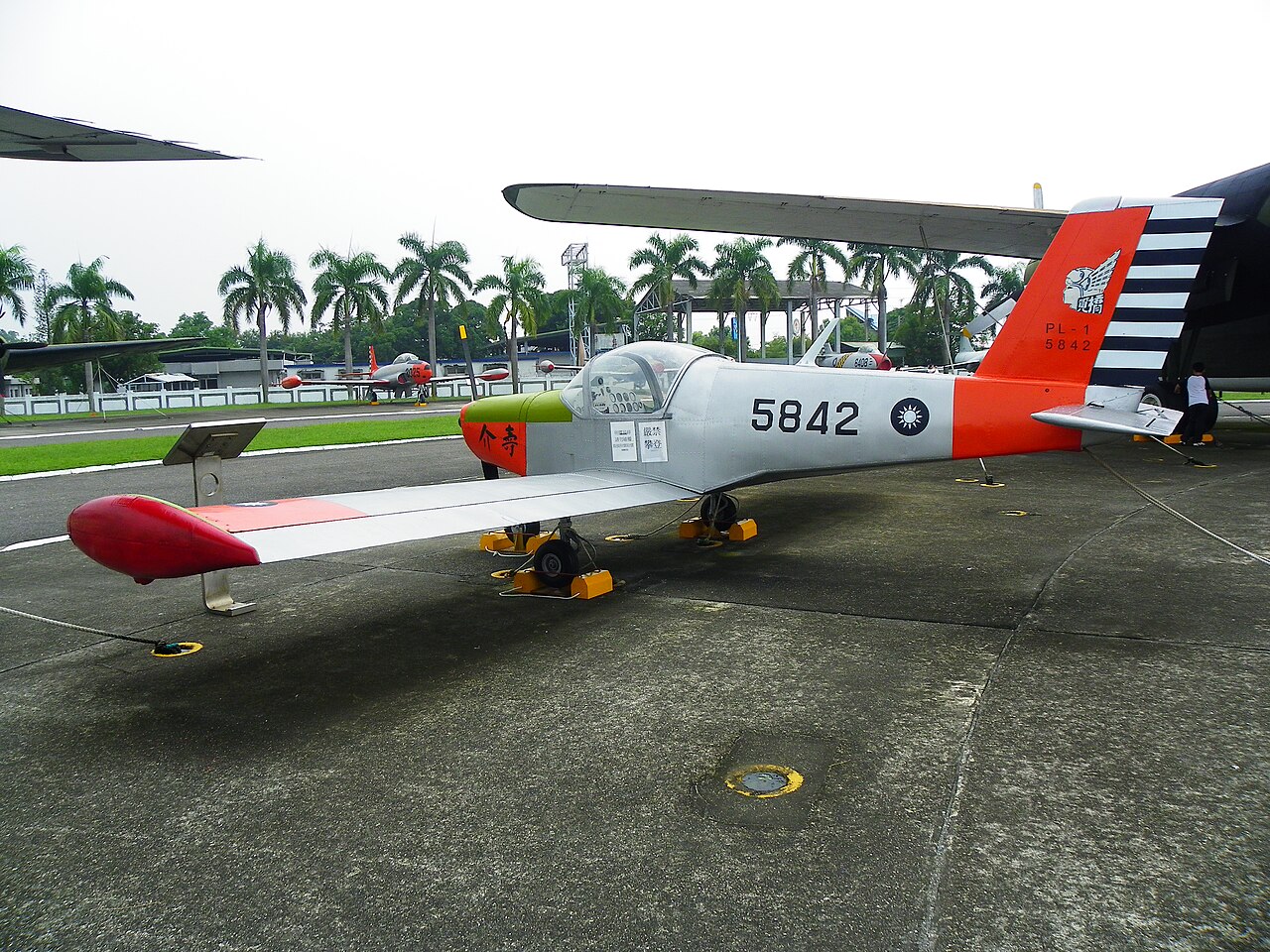
The Pazmany PL-1 Laminar is a two-seat, all-metal, low-wing homebuilt with a tricycle undercarriage, side-by-side seats and a sliding canopy. It was the first design of Ladislao Pazmany, flew in 1962 and was sold as plans for amateur builders. It went on to be built in numbers as a military trainer in Taiwan, and led directly to the better-known PL-2.
In the UK it is a rare LAA Group A type, number 061. It suits a pilot who wants a sturdy metal two-seater with a nosewheel, a 100-knot cruise on a 95 hp Continental and a strong airframe, and who is happy to buy an older plans-built aircraft rather than a kit.
History and design
According to Wikipedia, the prototype PL-1 first flew on 23 March 1962. Taiwan’s Aerospace Industrial Development Corporation (AIDC) bought plans, flew its own evaluation PL-1 in October 1968 and then built 58 PL-1Bs with a 150 hp Lycoming O-320 for the Republic of China Air Force. Pazmany followed the PL-1 with the improved PL-2, which was built under licence in several Asian countries.
Plane & Pilot notes that the prototype was stressed to 9 g for aerobatics, and that nearly 400 sets of plans were sold before sales were stopped. The fuselage uses only flat or single-curvature metal skins, and the wing is built around a single all-metal spar with a leading-edge torsion box, which kept it within reach of amateur builders. There is room for 40 lb of baggage behind the seats.
Variants
PL-1 (LAA type 061): the original homebuilt, normally with a 95 hp Continental C90. Individual aircraft may have other engines, so check the Permit.
PL-1B: the AIDC-built military trainer for Taiwan, with a 150 hp Lycoming O-320. Not a UK homebuilt variant.
PL-2: the follow-on design with a wider, more rounded cockpit and more wing dihedral. It is a separate LAA type with its own page.
Specifications
Figures are for the 95 hp Continental PL-1, from Plane & Pilot’s directory entry and cross-checked against an all-aero.com listing, which gives the same empty weight, span, length, cruise and stall and a 1,320 lb gross. We could not read an LAA TADS, so UK limits are unconfirmed.
Specification
Imperial
Metric
Seats
2 side-by-side
Wingspan
28 ft
8.53 m
Length
18 ft 11 in
5.77 m
Empty weight
800 lb
363 kg
Gross weight
1,326 lb
601 kg
Useful load
526 lb
239 kg
Fuel
25 US gal
95 litres
Baggage
40 lb
18 kg
Engine
Continental C90, 95 hp
Maximum speed
120 mph
193 km/h
Cruise
115 mph
185 km/h
Stall (37° flap)
51 mph
82 km/h
Rate of climb
1,000 ft/min
5.1 m/s
Performance and handling
On 95 hp the PL-1 cruises at about 115 mph (100 kt), with a 51 mph stall at full flap and a climb of around 1,000 ft/min at sea level. That makes it comparable with many 100 hp two-seat trainers but with an airframe designed to aerobatic strength. The nosewheel and side-by-side seating make it an easier step for pilots who learnt on a Cessna or Piper than many tailwheel homebuilts.
The PL-1 is not a big tourer. With two adults and 40 lb of baggage you will need to watch fuel against the gross weight, and published range figures vary (500 and 600 miles are both quoted), so plan from your own aircraft’s measured fuel flow.
Owning one in the UK
The PL-1 is LAA Group A, so an NPPL SSEA, LAPL(A) or PPL(A) is needed. It flies on a Permit to Fly; the LAA engineering fees page lists Permit revalidation at £336 for aircraft of 451–999 kg (checked November 2026), plus inspection costs. Ask the seller whether the aircraft’s Permit allows aerobatics; don’t assume it does.
UK examples are few. Registration records show G-BDHJ (built 1976) and G-PPLI (c/n PFA 061-10238). The Continental C90 is well supported in the UK, but airframe parts come from plans and must be made or repaired to LAA-approved standards. A 2013 Pazmany order form distributed by Aircraft Spruce shows PL-1 plans being offered again; the plans licence covers one aircraft only and cannot be resold or transferred, so ask whether an unfinished project comes with properly licensed plans.
Check the engine fitted and that it matches the Permit and Operating Limitations.
Ask whether aerobatics are permitted and look for signs of over-stressing if it has been flown aerobatically.
Have an LAA inspector look at the main spar, spar attachments and skins for corrosion and cracking.
Inspect the nose leg and its attachment for damage from heavy landings.
Check the sliding canopy, its rails and latching.
Get a current weighing and calculate your real two-up payload with fuel.
Ask for build records, the flight test schedule and engine log books.
LAA type acceptance
The Light Aircraft Association lists these variants under the following type numbers. Check the LAA Type Acceptance Data Sheets (TADS) for the current approved engines, propellers and modifications before you buy.
A two-seat, all-metal, low-wing homebuilt with tricycle gear and side-by-side seats, designed by Ladislao Pazmany and first flown in 1962.
What licence do I need?
It is LAA Group A, so an NPPL SSEA, LAPL(A) or PPL(A).
Is it on a Permit or a CofA?
UK homebuilt PL-1s fly on an LAA Permit to Fly. The LAA lists it as type 061.
What engine does it use?
The standard homebuilt uses a 95 hp Continental C90. The Taiwanese military PL-1B used a 150 hp Lycoming O-320.
How fast is it?
Plane & Pilot gives a 115 mph (100 kt) cruise and 120 mph top speed on 95 hp, with a 51 mph stall.
What is the fuel burn?
We did not find a reliable published fuel burn. Fuel capacity is 25 US gallons (about 95 litres).
Is it aerobatic?
The prototype was stressed to 9 g for aerobatics. Whether a particular UK aircraft may fly aerobatics depends on its Permit and Operating Limitations.
Is it good for a low-hours pilot?
Its tricycle gear and side-by-side seating make it more familiar than many homebuilts, but get a proper conversion with an instructor or experienced owner.
Can I build one?
Nearly 400 sets of plans were sold originally, and a 2013 Pazmany order form shows PL-1 plans being offered again. A UK build would need LAA approval.
What is the difference between the PL-1 and PL-2?
The PL-2 is the improved follow-on, with a wider, more rounded cockpit and more wing dihedral. It is a separate LAA type.
Figures are typical published values for a standard example and vary with engine, propeller, build and modification state. Always use the aircraft’s own Pilot’s Operating Handbook, weight and balance schedule and LAA paperwork. Last checked November 2026.