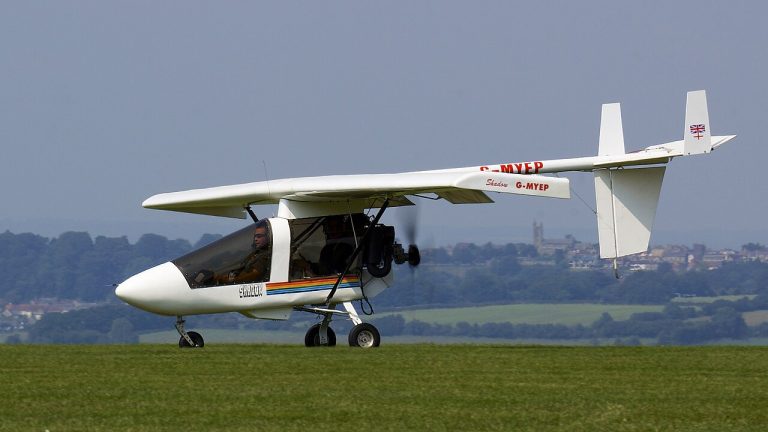
The Brügger MB-2 Colibri is a small single-seat sportplane designed in Switzerland for amateur builders. It is a low-wing wooden monoplane with a tailwheel, a large bubble canopy and a converted Volkswagen car engine, and it is known for pleasant handling. More than 260 have been built, making it one of the more successful European plans-built single-seaters.
In the UK the Colibri flies on an LAA Permit to Fly. It appeals to pilots who want very cheap, simple flying for one, with low running costs from a VW engine, and who enjoy a hands-on aeroplane. It is not a tourer: fuel, payload and baggage space are all small.
History and design
According to Wikipedia, the MB-1 development aircraft flew in 1965 and the definitive MB-2 Colibri 2 followed in 1970. The MB-2 has a wooden structure, with fabric-covered wings and a plywood-skinned fuselage, and a large bubble canopy over the single seat. A later all-metal MB-3 was built and flown in 1976-77.
The engine is a four-cylinder air-cooled Volkswagen conversion. Jane’s gives a 1600 cc, 40 hp unit with a two-bladed Brügger fixed-pitch propeller, but builders have fitted larger VW engines: the UK Colibri G-HRLM, for example, had a 1834 cc Volkswagen, according to the AAIB report on its 2017 accident.
Variants
Colibri MB2 (LAA type 043): the only LAA-accepted version. UK aircraft are built from plans, so engine size, propeller and equipment vary from one to the next.
MB-1: the 1965 development aircraft that led to the MB-2.
MB-3: an all-metal version flown in the 1970s; not the type you will normally see for sale in the UK.
Engines: the published figures are for a 40 hp VW 1600. Larger VW conversions such as 1834 cc are found in UK examples and change the performance and weights.
Specifications
Figures are for the MB-2 with a VW 1600 engine, from Jane’s All the World’s Aircraft 1976-77 as quoted by Wikipedia. The UK MTOW and speed limits are set in each aircraft’s Operating Limitations, which were not checked for this page.
Specification
Imperial
Metric
Seats
1
Length
15 ft 9 in
4.80 m
Wingspan
19 ft 8 in
6.00 m
Height
5 ft 3 in
1.60 m
Wing area
88.3 sq ft
8.20 m²
Empty weight
474 lb
215 kg
Max take-off weight
728 lb
330 kg
Useful load
254 lb
115 kg
Fuel
7.3 imp gal
33 L
Engine
Volkswagen 1600 cc air-cooled conversion, 40 hp
Propeller
Two-bladed Brügger fixed-pitch
Maximum speed (at 4,000 m)
138 mph (120 kt)
220 km/h
Economy cruise (75% power)
99 mph (86 kt)
160 km/h
Stall
37 mph (32 kt)
60 km/h
Rate of climb
590 ft/min
3.0 m/s
Service ceiling
14,800 ft
4,500 m
Take-off and landing run
660 ft
200 m
Range
310 statute miles (270 nm)
500 km
Performance and handling
With 40 hp and a maximum weight of about 330 kg, the Colibri is a gentle performer: Jane’s gives an economy cruise of 86 kt, a climb of under 600 ft/min and a stall of 32 kt. Larger VW engines add some climb and cruise, but the small fuel tank still limits legs to short hops. Wikipedia notes the MB-2 is known for its handling qualities, which is a large part of its appeal.
The take-off and landing run of around 200 m in the published figures means it can use most UK grass strips, but on a warm day with a heavier pilot a 40 hp aircraft will climb slowly, so plan departures with margin.
Owning one in the UK
Licence: the Colibri is an LAA Group A type, so you need an NPPL SSEA, LAPL or PPL, plus tailwheel differences training.
Permit to Fly: UK aircraft fly on an LAA Permit to Fly, revalidated each year after an inspection by an LAA inspector. The LAA’s engineering fees list £283 for aircraft up to 450 kg MTOW.
Engine and fuel: VW conversions are simple and cheap to maintain, but every installation is different. Check what fuel the aircraft’s paperwork allows, and who built and last overhauled the engine.
Getting back in the air: the AAIB reported that G-HRLM lost power at about 150 ft on a Permit renewal test flight after five years out of service; the cause was not established. Treat any long-stored Colibri with care and have the fuel and ignition systems checked thoroughly.
Hangarage: a wooden, fabric-covered aircraft needs dry storage.
Support: there is no UK agent. Support comes from LAA Engineering, LAA inspectors and VW engine specialists.
Read the Operating Limitations and current weight report: with a small MTOW, check the useful load works for your weight with fuel.
Identify the engine: capacity, builder, ignition (single or dual), hours and any overhaul records.
Have an LAA inspector check the wooden structure and glue joints for moisture, rot and damage, especially the spar and lower fuselage.
Inspect the fabric on the wings and the plywood fuselage skin for cracks and soft spots.
Check the bubble canopy for crazing and the security of its latches.
If it has been stored, ask what was done to recommission it and when it last flew.
Ask for the builder’s log, Permit history and any LAA modifications approved.
LAA type acceptance
The Light Aircraft Association lists these variants under the following type numbers. Check the LAA Type Acceptance Data Sheets (TADS) for the current approved engines, propellers and modifications before you buy.
Figures are typical published values for a standard example and vary with engine, propeller, build and modification state. Always use the aircraft’s own Pilot’s Operating Handbook, weight and balance schedule and LAA paperwork. Last checked November 2026.